















The African American CIVIL RIGHTS Movement (1960s) [APUSH Review 8.10] Period 8: 1945-1980
More from Heimler's History:
ULTIMATE REVIEW PACKETS:
+APUSH: https://bit.ly/31VBsiO
+AP World History: https://bit.ly/3jUk84F
AP Essay CRAM Course (DBQ, LEQ, SAQ Help): https://bit.ly/37b5UJ3
Support Heimler's History on PATREON: https://bit.ly/3feLjUq
HEIMLER’S HISTORY MERCH! https://www.youtube.com/channe....l/UC_bOoi0e3L3SJ1xx5
Instagram: @heimlers_history
Heimler's History DISCORD Server: https://discord.gg/RHQcq6C6AN
For more videos on APUSH Unit 8, check out the playlist: https://bit.ly/3kLU0K8
In this video Heimler takes you through Unit 8 Topic 10 of the AP U.S. History curriculum which is set in period 8 (1945-1980).
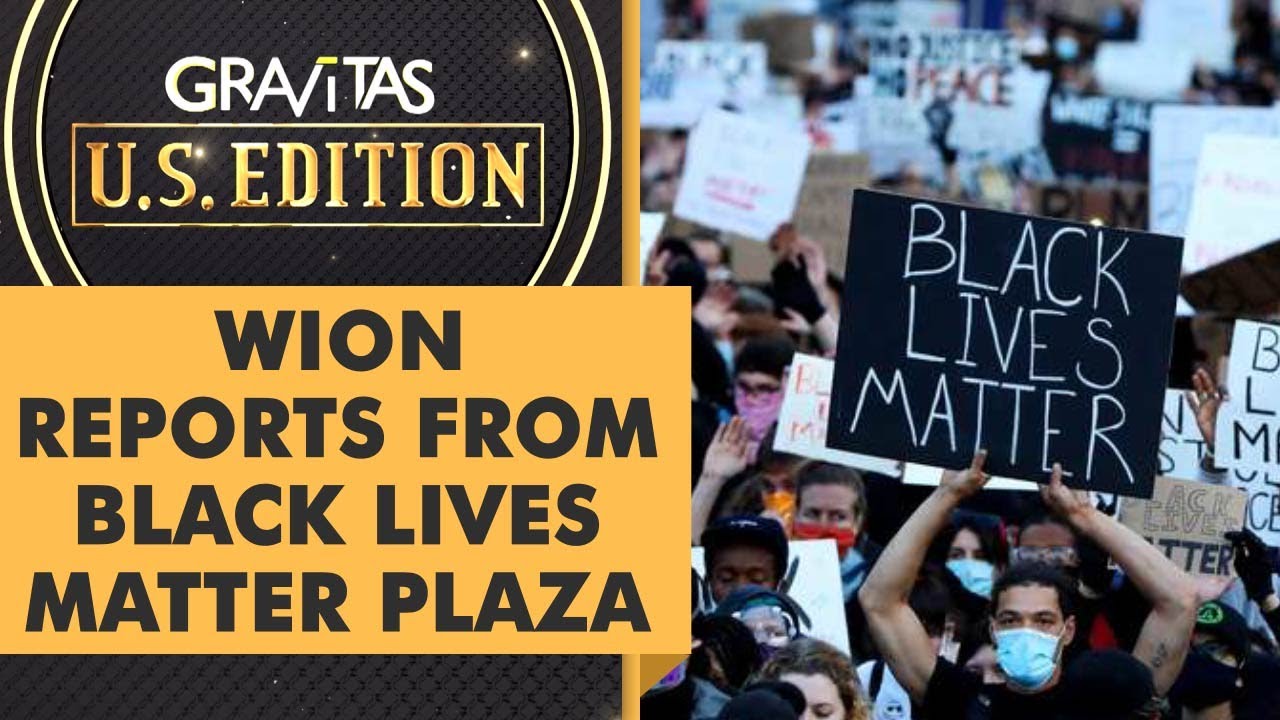
After the civil rights victories in the 1940s and (early) 1950s, most notably Brown v The Board of Education, black Americans continued the fight for civil rights into the 1960s.
The second wave began with the Montgomery Bus Boycott which was sparked by Rosa Parks' refusal to yield her bus seat to a white passenger. In the middle of the bus boycott, an Atlanta preacher by the name of Martin Luther King, Jr. rose to prominence as the voice of the nonviolent branch of the civil rights movement.
The most visible achievement of this brach of the civil rights movement was the March on Washington at which King delivered his famous "I Have a Dream" speech. Tow major legislative results of their efforts were the Civil Rights Act of 1964 and the Voting Rights Act of 1965.
But there was another branch of the civil rights movement which eschewed nonviolence, and instead advocated for black separatism and militarism. Malcolm X was a key figure in this branch, as were the Black Panthers.