













Heated Debate on Race Relations in the United States: Racism and Discrimination (1994)
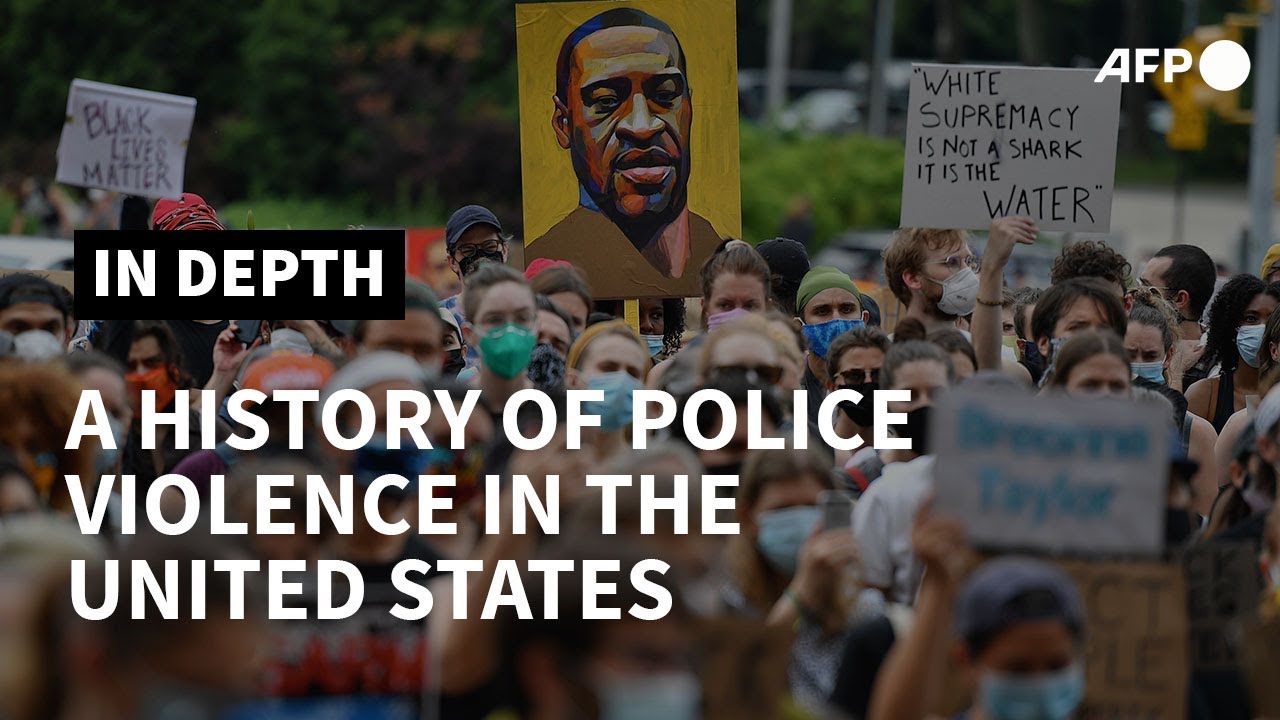
Racism and ethnic discrimination in the United States has been a major issue since the colonial era and the slave era. Legally sanctioned racism imposed a heavy burden on Native Americans, African Americans, Asian Americans, and Latin Americans. European Americans (particularly Anglo Americans) were privileged by law in matters of literacy, immigration, voting rights, citizenship, land acquisition, and criminal procedure over periods of time extending from the 17th century to the 1960s. Many non-Protestant European immigrant groups, particularly Jews, Irish people, Poles and Italians among others, suffered xenophobic exclusion and other forms of discrimination in American society.
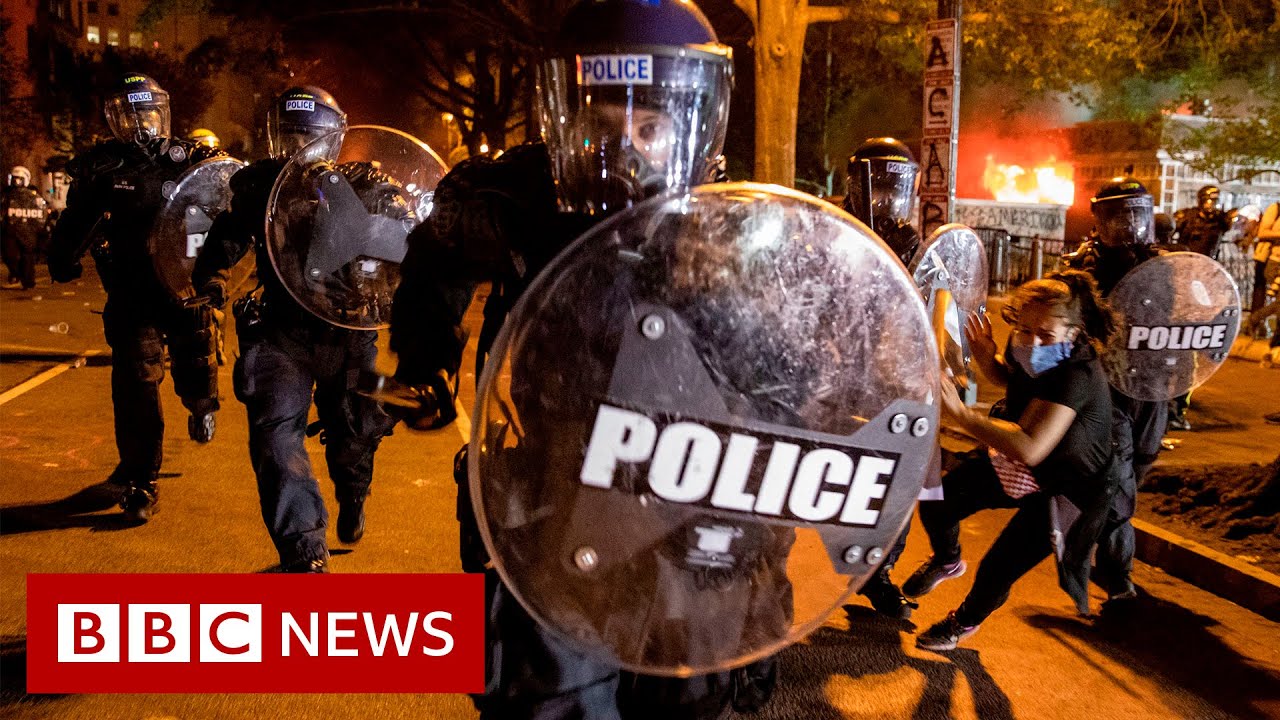
Major racially and ethnically structured institutions included slavery, Indian Wars, Native American reservations, segregation, residential schools for Native Americans, and internment camps. Formal racial discrimination was largely banned in the mid-20th century, and came to be perceived as socially unacceptable and/or morally repugnant as well, yet racial politics remain a major phenomenon. Historical racism continues to be reflected in socioeconomic inequality, and has taken on more modern, indirect forms of expression, most prevalently symbolic racism. Racial stratification continues to occur in employment, housing, education, lending, and government.
Many people in the U.S. continue to have some prejudices against other races, with a full third of Americans self-labeling as having "racist feelings" according to one survey. In the view of the U.S. Human Rights Network, a network of scores of US civil rights and human rights organizations, "Discrimination permeates all aspects of life in the United States, and extends to all communities of color". Discrimination against African Americans, Latin Americans, and Muslims is widely acknowledged. Members of every major American ethnic minority have perceived racism in their dealings with other minority groups.
While substantial gains were made in the succeeding decades through middle class advancement and public employment, black poverty and lack of education deepened in the context of de-industrialization. Prejudice, discrimination, and institutional racism (see below) continue to affect African Americans.
From 1981 to 1997, the United States Department of Agriculture discriminated against tens of thousands of Black American farmers, denying loans provided to white farmers in similar circumstances. The discrimination was the subject of the Pigford v. Glickman lawsuit brought by members of the National Black Farmers Association, which resulted in two settlement agreements of $1.25 billion in 1999 and of $1.15 billion in 2009.
It is argued that there exists a color blindness or an "understanding that cultural differences rooted in racial identities are irrelevant for peoples' prospects and their overall well-being". Yet, one counter-example to this claim is that employer interviews reveal reluctance from both black and white employers to employ "urban young males who exhibit lower-class behavioral styles", highlighting the existence of embedded socio-economic preconceptions.
Furthermore, many cite the 2008 United States presidential election as a step forward in race relations: White Americans played a role in electing Barack Obama, the country's first black president. In fact, Obama received a greater percentage of the white vote (43%), than did the previous Democratic candidate, John Kerry (41%). Racial divisions persisted throughout the election; wide margins of Black voters gave Obama an edge during the presidential primary, where 8 out of 10 African-Americans voted for him in the primaries, and an MSNBC poll showed that race was a key factor in whether a candidate was perceived as being ready for office. In South Carolina, for instance,"Whites were far likelier to name Clinton than Obama as being most qualified to be commander in chief, likeliest to unite the country and most apt to capture the White House in November. Blacks named Obama over Clinton by even stronger margins — two- and three-to one — in all three areas."
http://en.wikipedia.org/wiki/R....ace_relations_in_the